
Maison Aubrecq Swiss Jura Since 1887
Finished
where no one
looks.
Mechanical watches made by forty-one people in one valley of the Jura. Fewer than nine hundred a year, each finished to the same standard inside as out.
- Reference
- Strate 40
- Calibre
- OR-34
- Reserve
- 72 h
- Beat
- 4 Hz
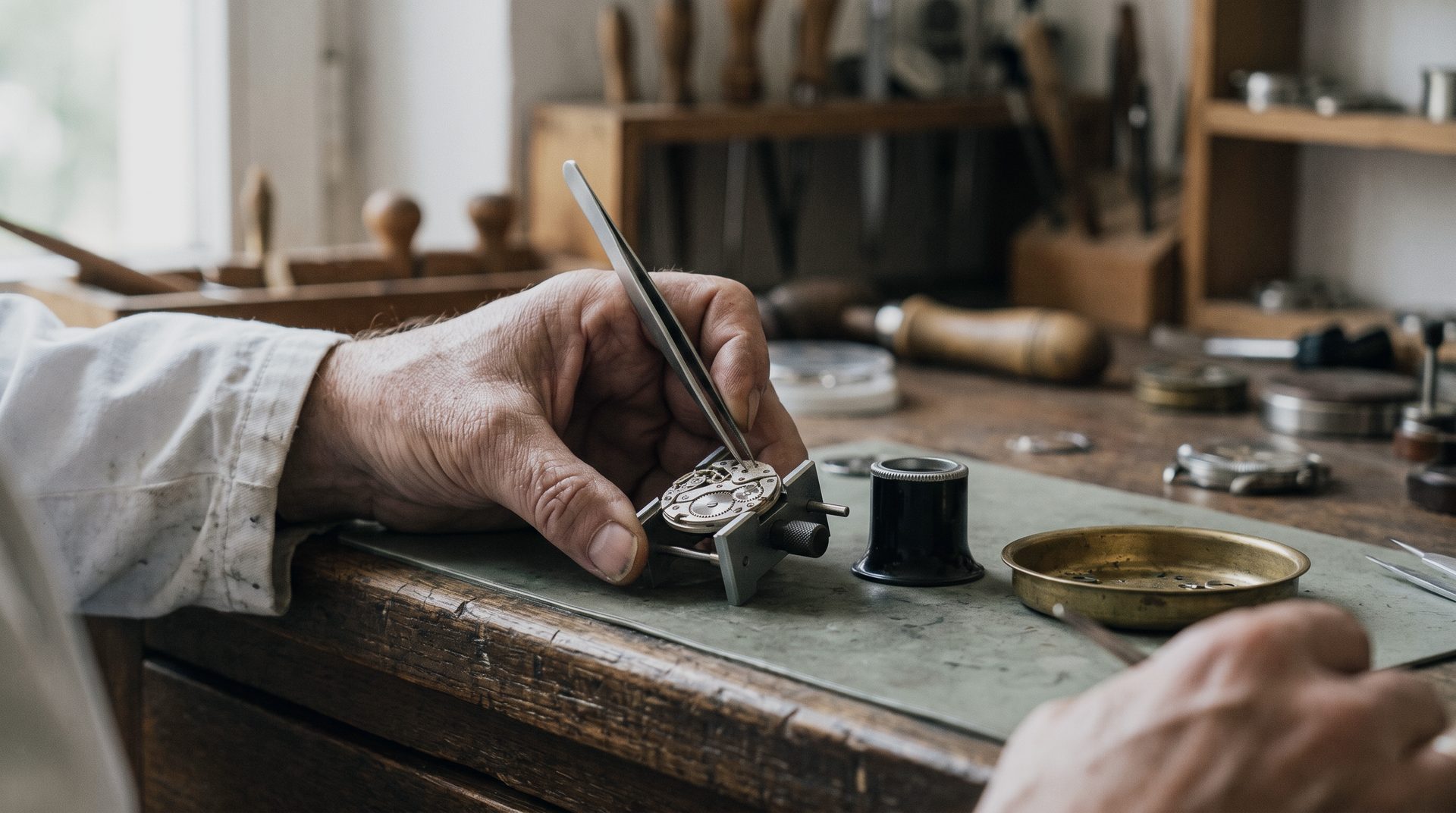
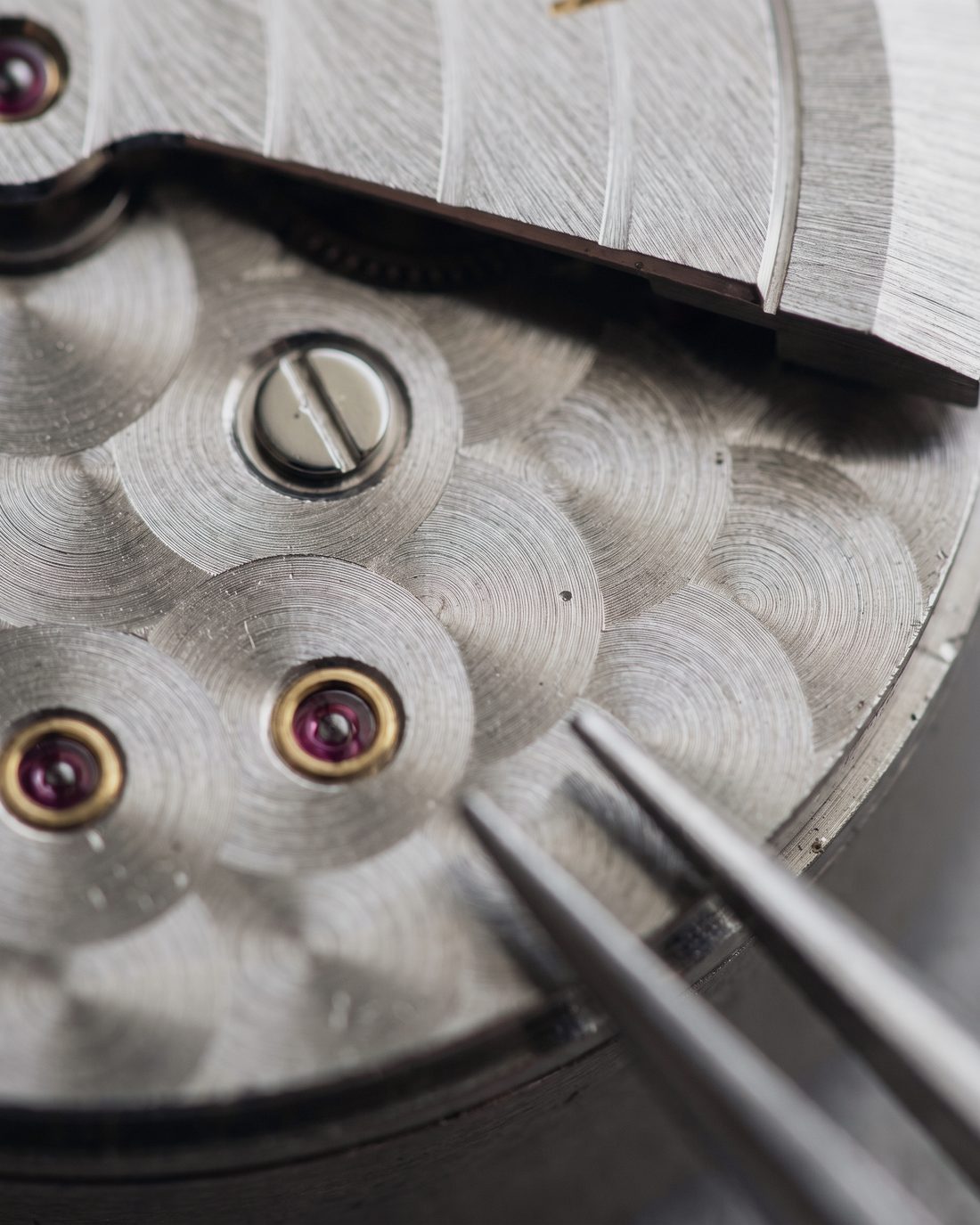
Le fini caché, the hidden finish
A watch shows you eleven of its parts. We finish all two hundred and fourteen.
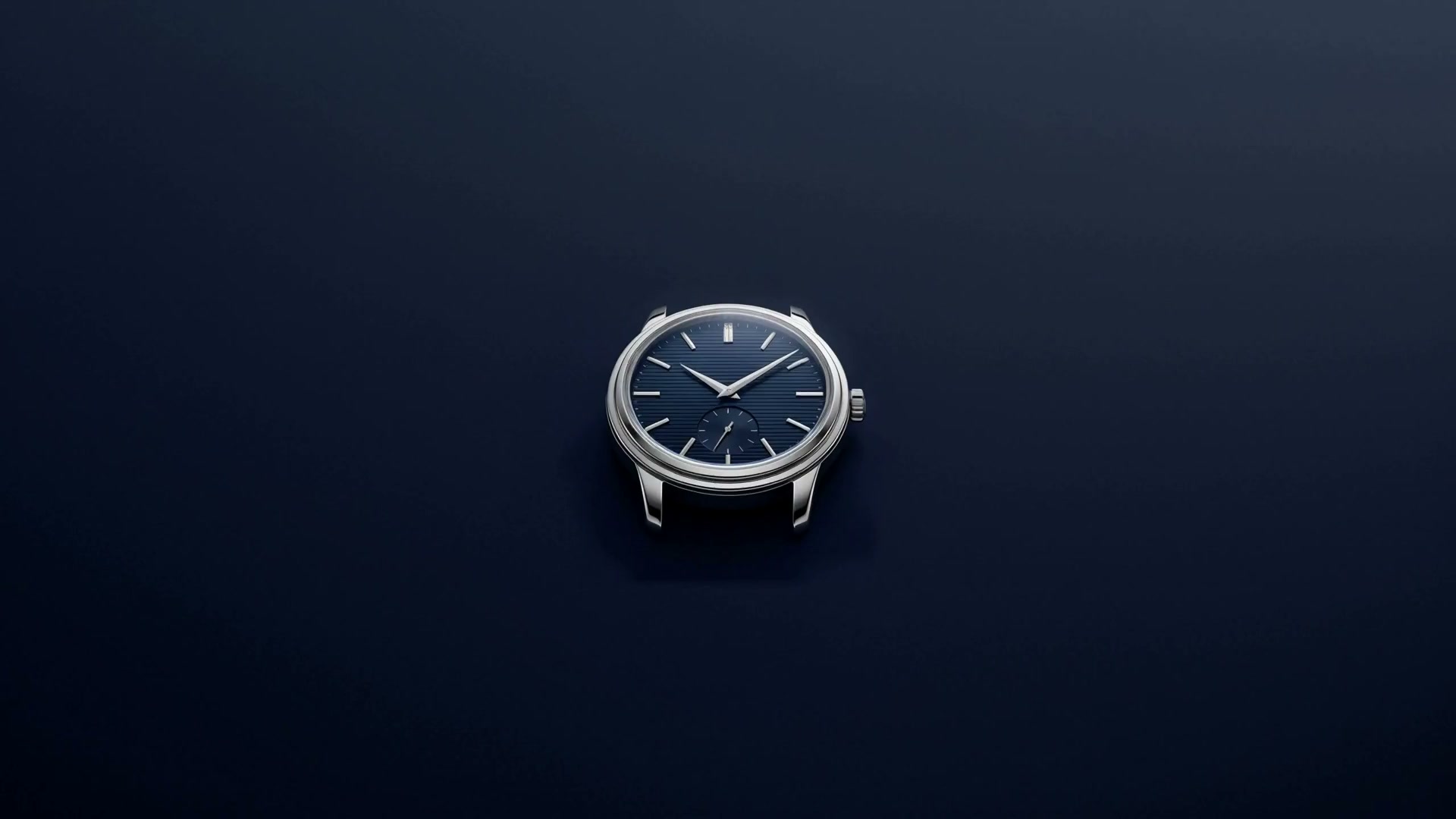
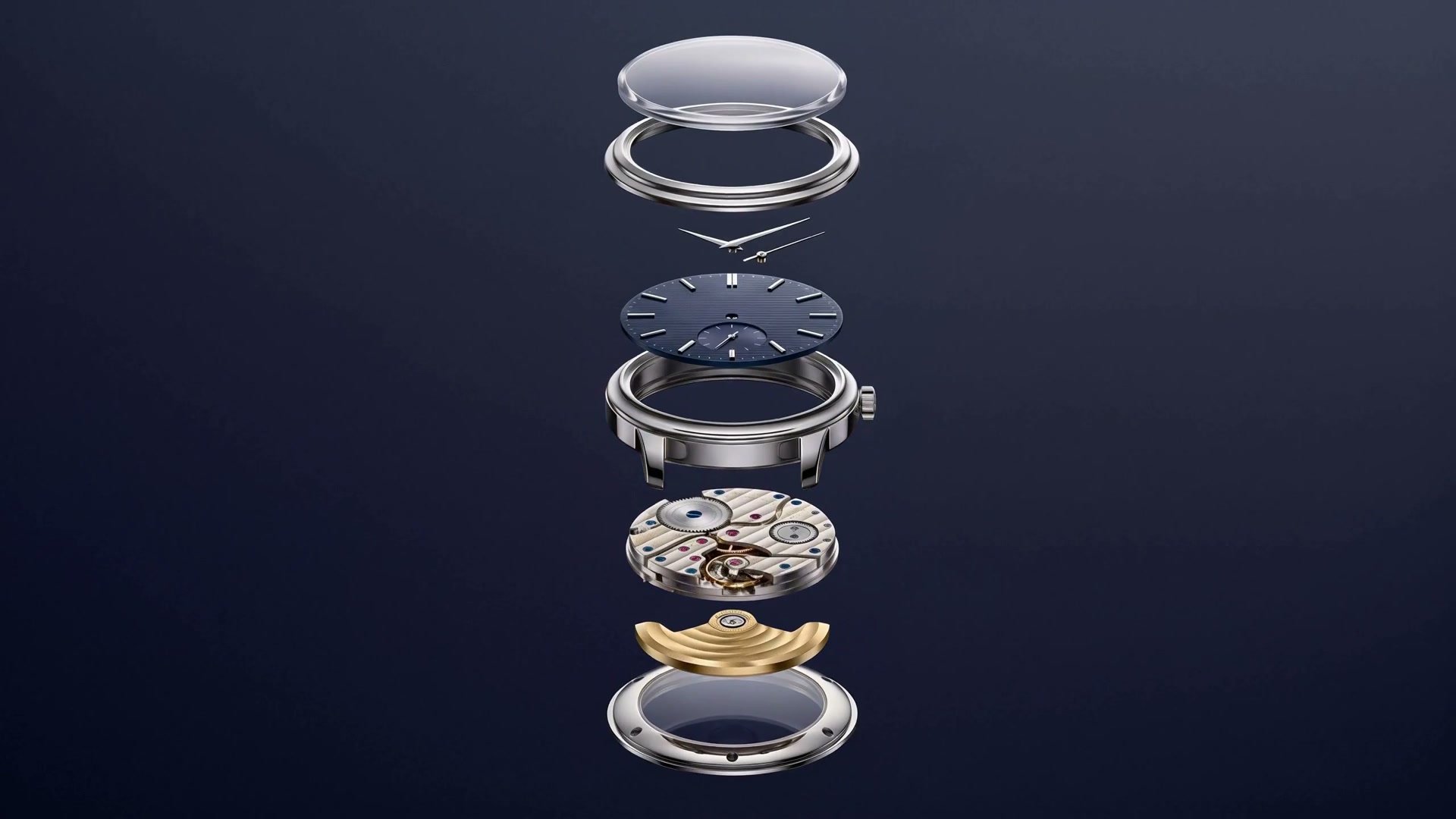
Below is the Strate 40, taken apart one layer at a time. Nothing in it was dressed up for the photograph. This is how every one leaves the atelier.
Anatomy Strate 40 Automatique
Take it apart.
Scroll slowly. Each part stops beside its name and the work that went into it.
- 01 Sapphire crystalDomed 0.4 mm and coated on the inside only, so the outside never clouds.
- 02 Three-step bezelEach step is polished at its own angle. That is why light breaks in three lines.
- 03 HandsCut, shaped and mirror-polished by hand. One watchmaker finishes six sets a day.
- 04 DialEleven coats of midnight lacquer over a ground cut on a 1920s rose engine.
- 05 Case middleTurned from a single bar of steel, satin on the flanks, polished on the bevels.
- 06 Calibre OR-3438 jewels, 4 Hz, Jura stripes and 160 inside angles bevelled by hand.
- 07 Gold rotor22k gold, engraved in waves. Every step you take winds the watch.
- 08 Sapphire casebackA window, so the work you just watched stays in view.
214 parts
Every part finished. Even the 203 you will never see.
Anatomy Strate 40 Automatique
Take it apart.
Five moments from the film. Swipe to take it apart.
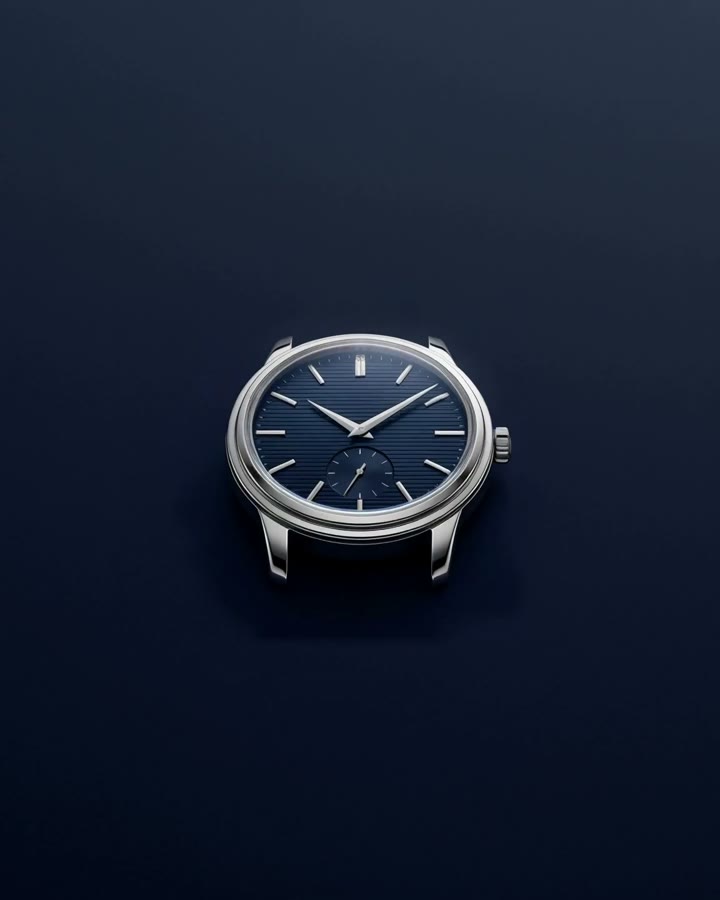
01 Assembled. 40 mm across, 9.8 mm thin. 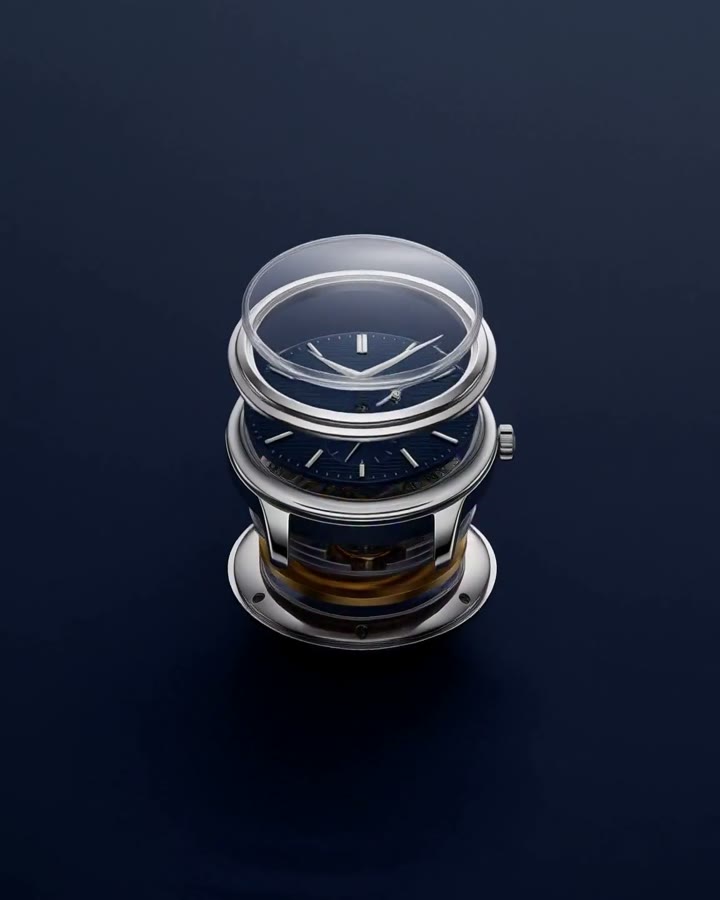
02 The crystal and bezel lift away. 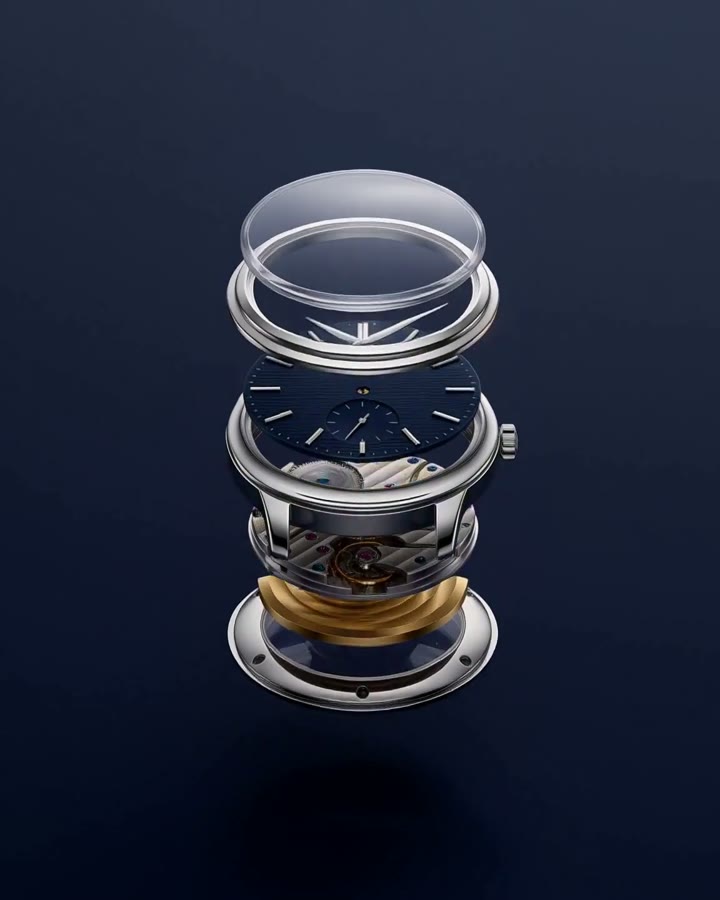
03 The dial rises. The movement drops. 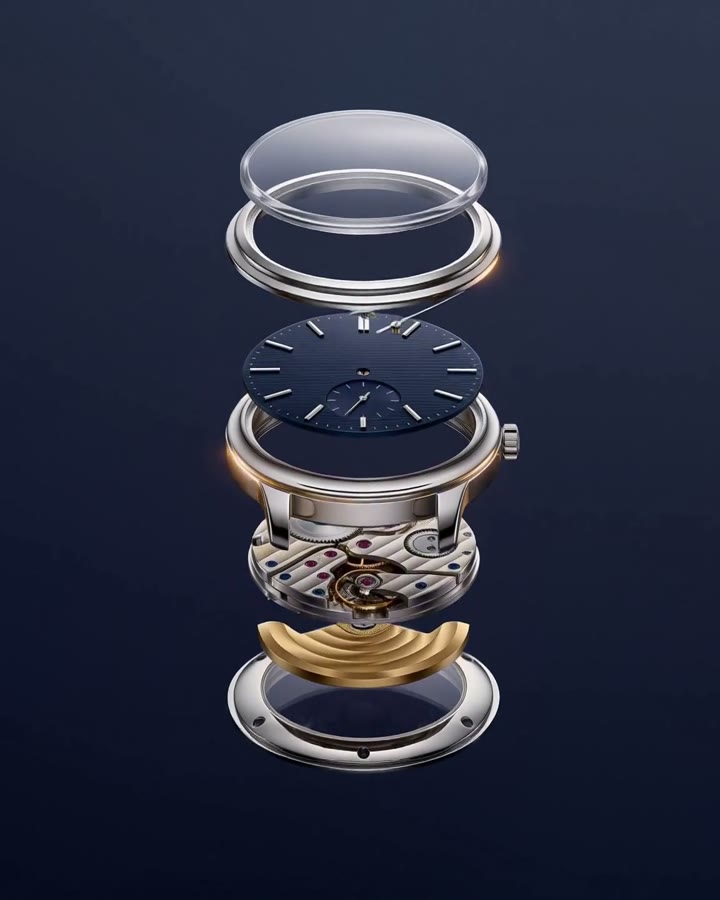
04 Calibre, rotor and caseback part. 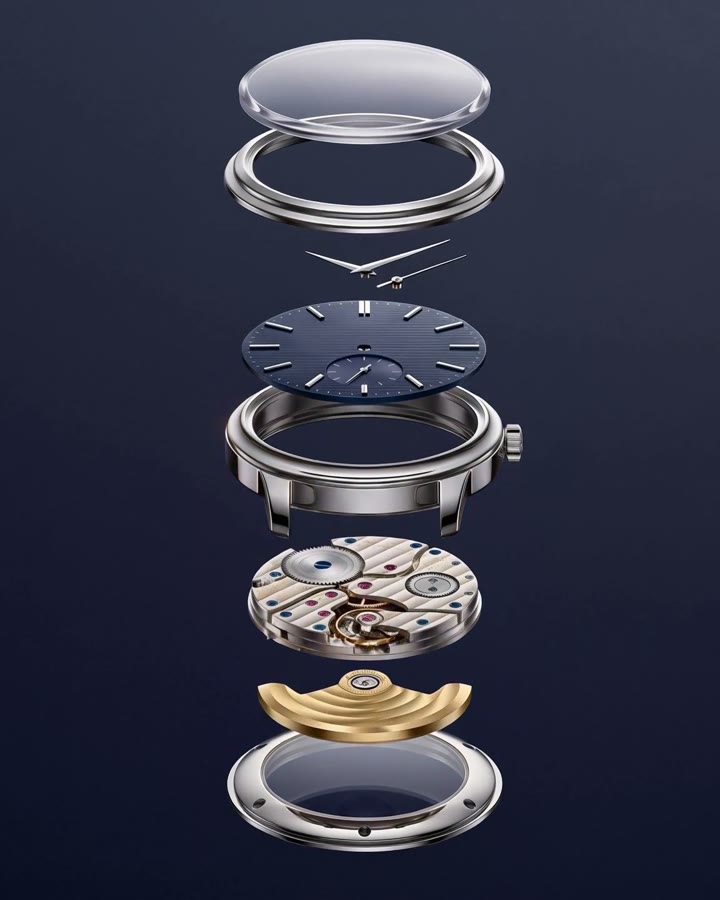
05 Fully apart. Every part finished.
- 01 Sapphire crystal
- Domed 0.4 mm and coated on the inside only, so the outside never clouds.
- 02 Three-step bezel
- Each step is polished at its own angle. That is why light breaks in three lines.
- 03 Hands
- Cut, shaped and mirror-polished by hand. One watchmaker finishes six sets a day.
- 04 Dial
- Eleven coats of midnight lacquer over a ground cut on a 1920s rose engine.
- 05 Case middle
- Turned from a single bar of steel, satin on the flanks, polished on the bevels.
- 06 Calibre OR-34
- 38 jewels, 4 Hz, Jura stripes and 160 inside angles bevelled by hand.
- 07 Gold rotor
- 22k gold, engraved in waves. Every step you take winds the watch.
- 08 Sapphire caseback
- A window, so the work you just watched stays in view.
Assembled twice. Once to test, once to keep.
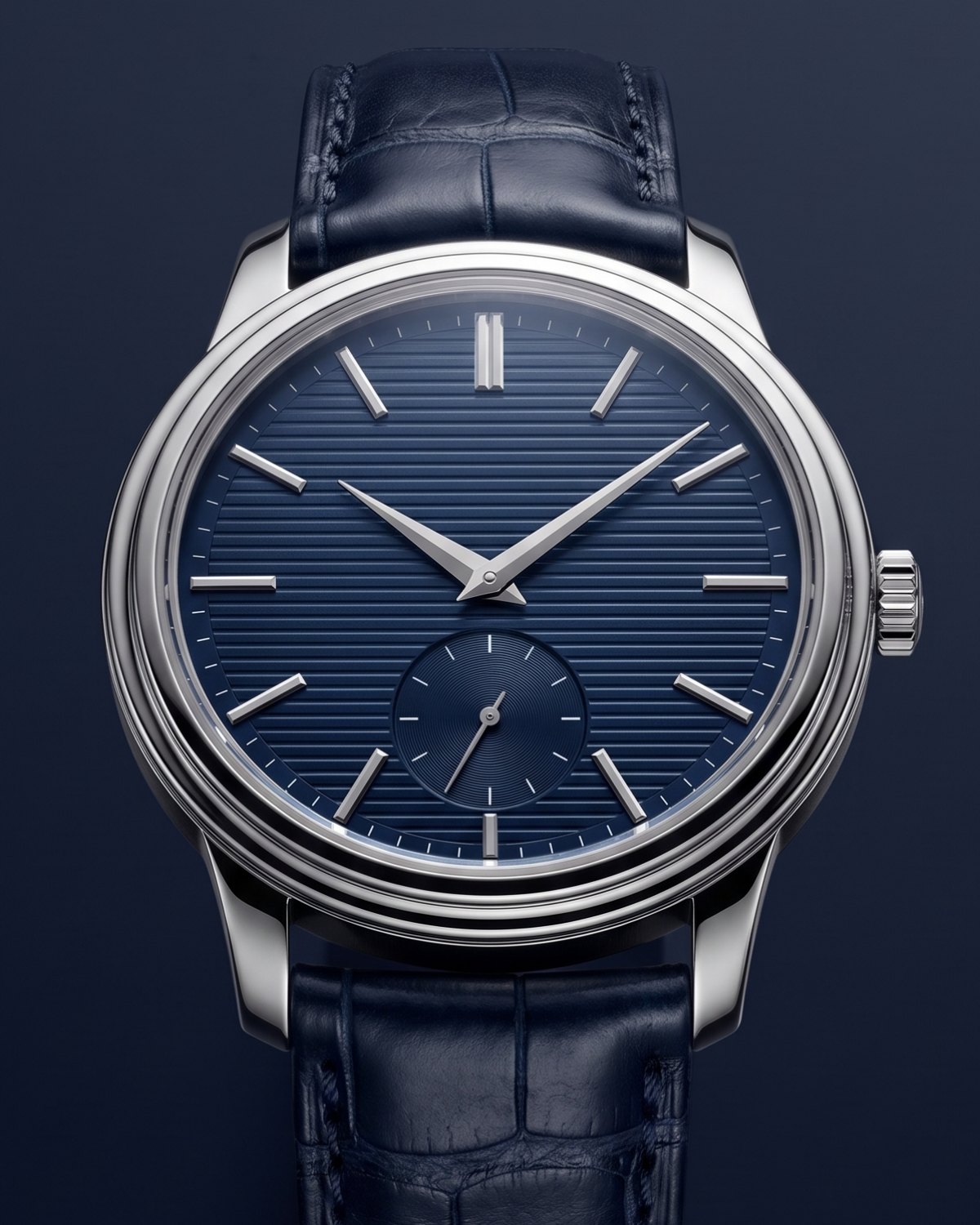
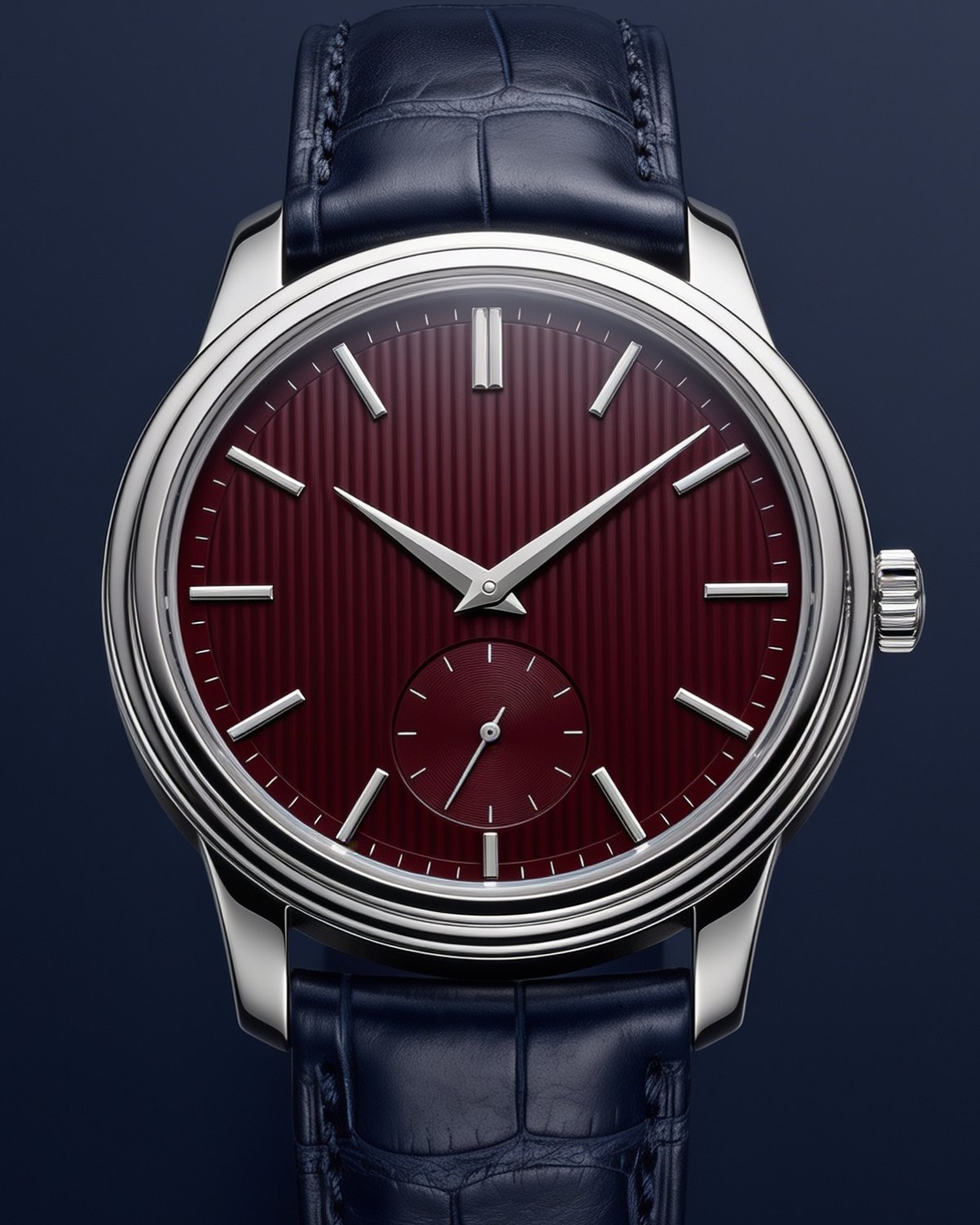
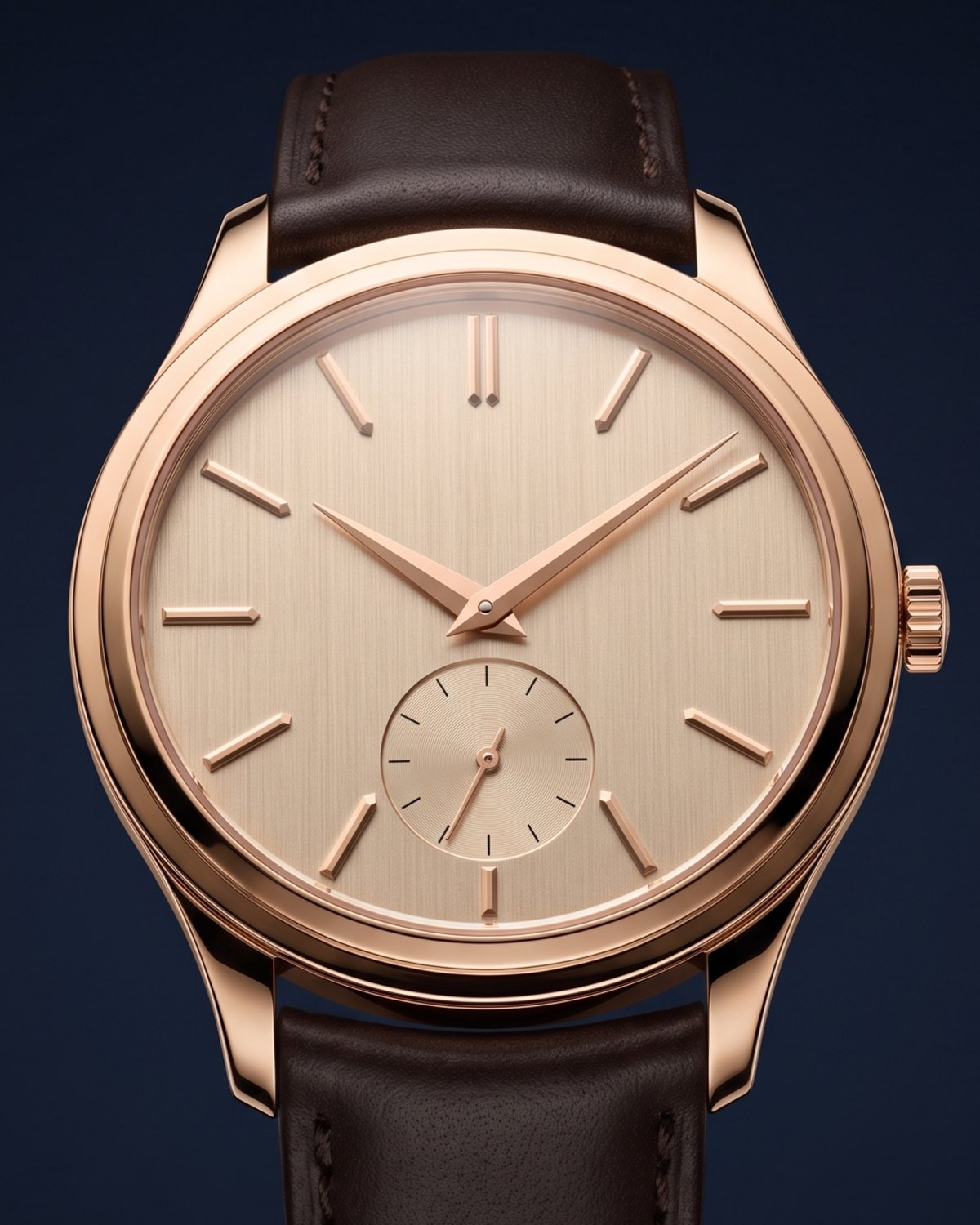
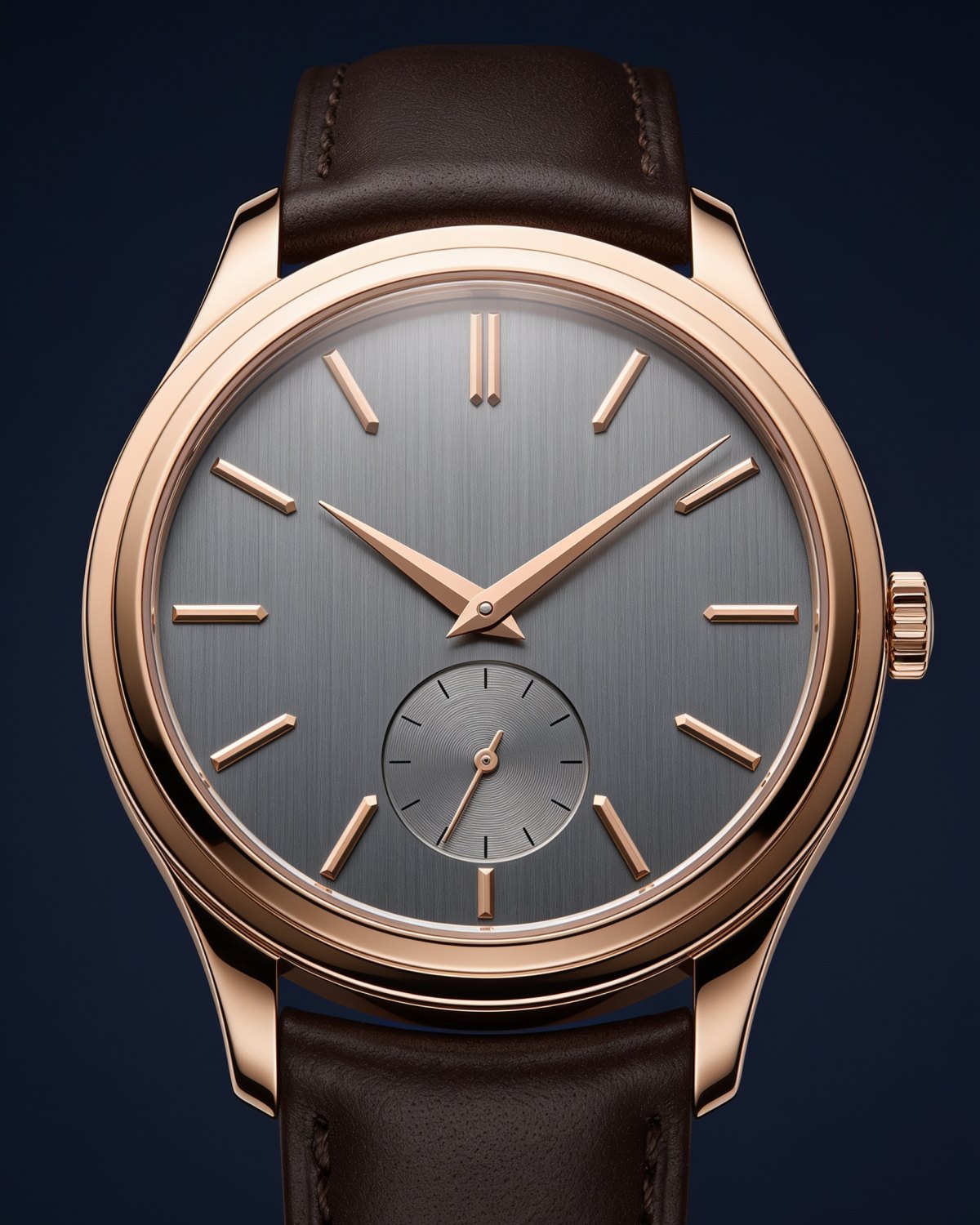
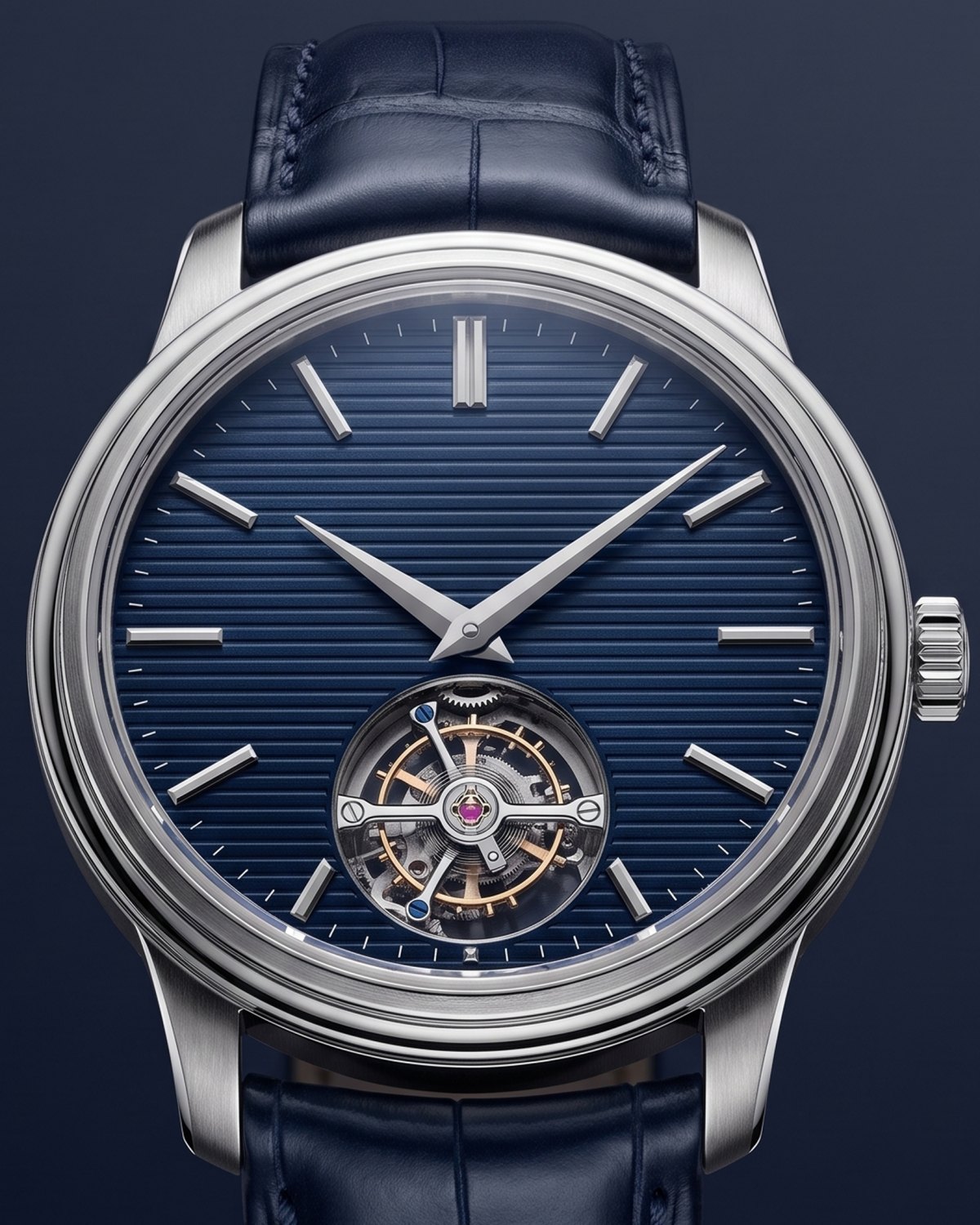
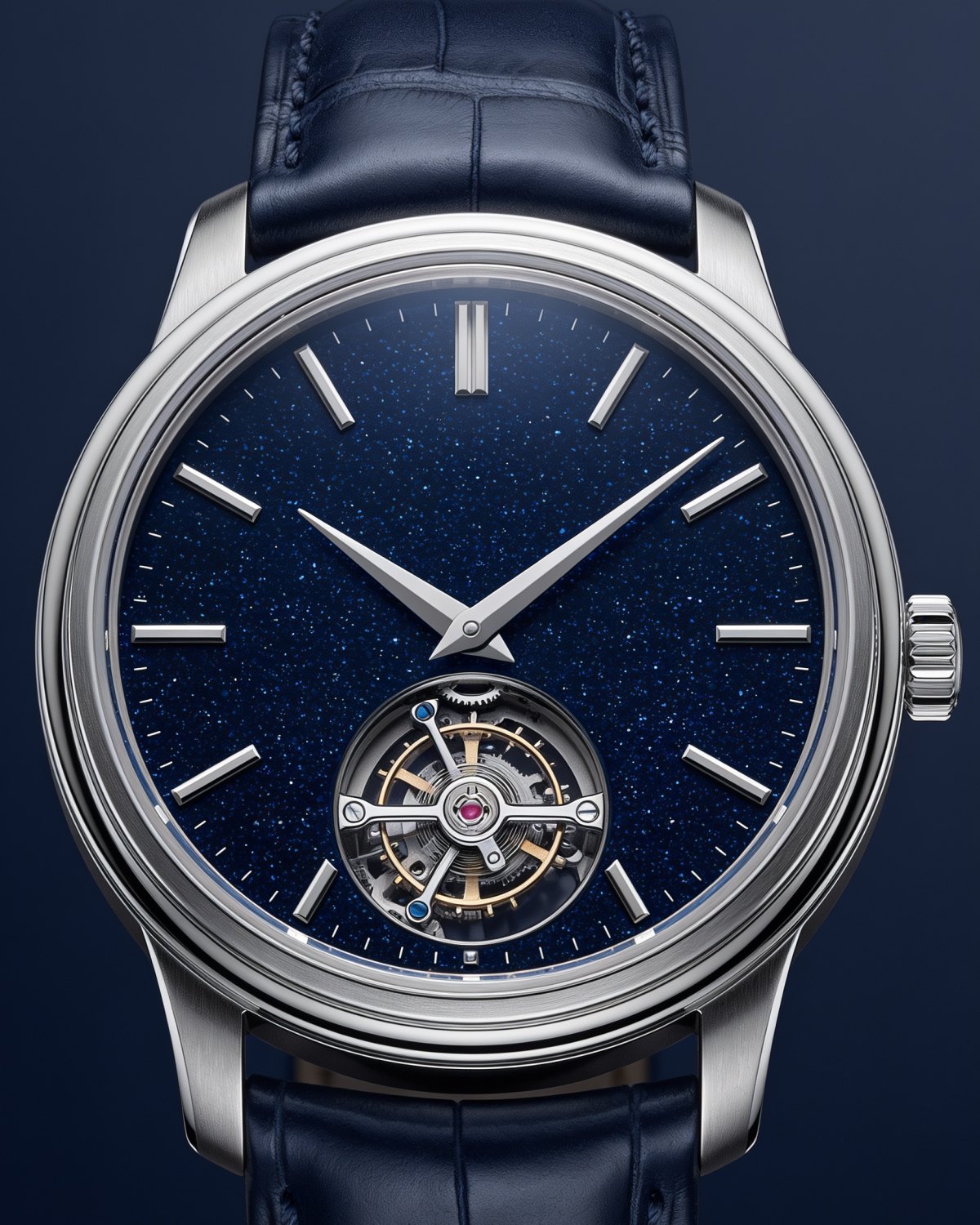
OR-4012 Midnight lacquer
The collection
Three references. No hurry.
Each one is made in small series and finished by a single watchmaker from first screw to last. Choose a reference, then a dial.
The watch you just took apart.
- Reference
- OR-4012
- Case
- Stainless steel, satin and polished
- Diameter
- 40.0 mm
- Thickness
- 9.8 mm
- Calibre
- OR-34, automatic
- Power reserve
- 72 hours, two barrels
- Frequency
- 4 Hz, 28,800 vph
- Jewels
- 38
- Water resistance
- 50 m
- Series
- Small series
- Price
- CHF 21,500
Calibre OR-34
Eight beats every second.
The balance swings 28,800 times an hour. Watch the small seconds: it steps eight times each second instead of once. The dial beside this text does the same, set to your own clock.
Your time --:--:--
Wind it yourself
Press and hold the crown. Two barrels store the energy, and a click spring keeps every turn you give it.
Reserve 13 of 72 hours
Fully wound. Seventy-two hours.
Take it off on Friday evening and it is still running on Monday evening.
Press and hold the crown
The atelier
Forty-one people. One valley.
Aurèle Aubrecq opened his workshop in 1887 in La Combe-aux-Merles, a hamlet of nine houses where winter lasts five months. Long winters turned farmers into watchmakers. Their great-grandchildren still work the same benches.
One watchmaker assembles each Aubrecq from the first screw to the last, then takes it apart, cleans it and builds it again. Their initials go inside the caseback, where only the next watchmaker will ever read them.
“A good bevel goes unnoticed. A bad one, a watchmaker will spot in forty years.”
- Founded
- 1887
- Watchmakers
- 41
- Watches a year, at most
- 900
- Days of testing per watch
- 21
Eight-year guarantee. Serviced for life, by hand, in La Combe-aux-Merles.
Salons
Come and hold one.
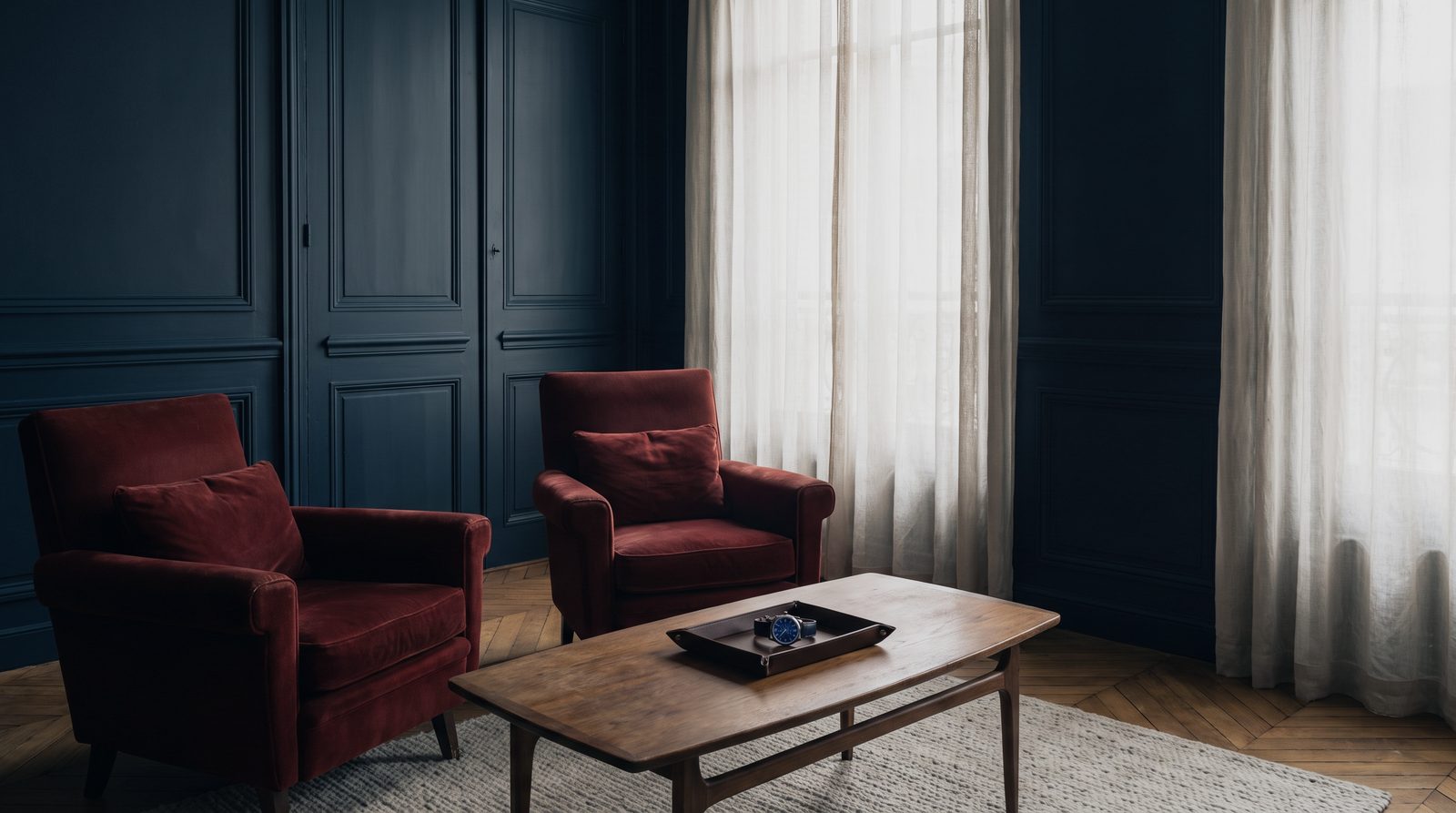
There is no online shop. Every Aubrecq is shown in person, over an unhurried hour, with a watchmaker in the room.
- GenevaQuai des BerguesTue to Sat
- ParisRue Saint-HonoréTue to Sat
- New YorkMadison AvenueMon to Sat
- TokyoGinzaWed to Sun
- The atelierLa Combe-aux-Merles, JuraThursdays
Thank you, .
This is a concept site, so your request went nowhere. At a real Aubrecq salon, a watchmaker would write back within one working day to arrange your hour.