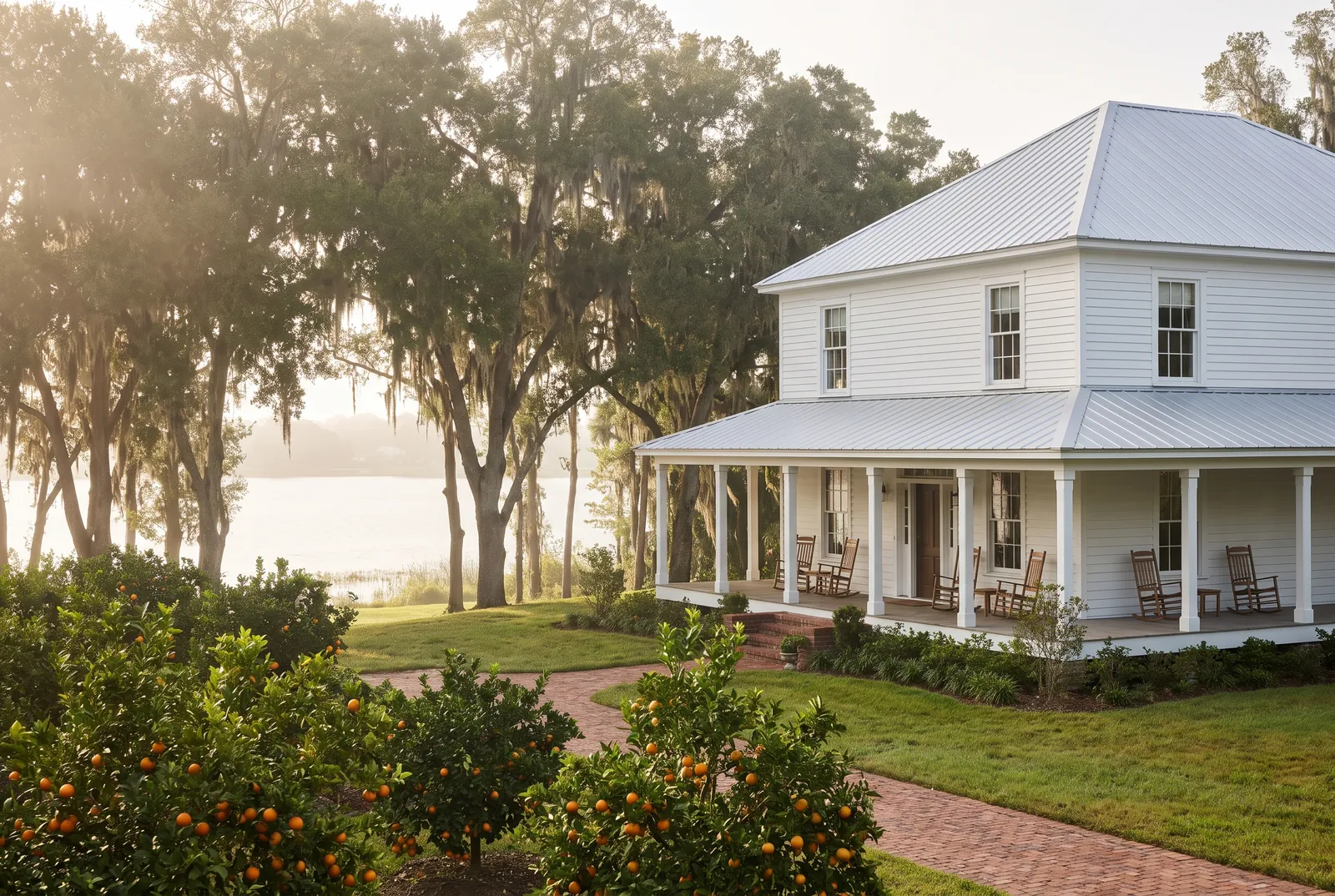
Living with a 1920s house in Winter Park
Brick streets, plaster walls and windows that were made to open. What it is like to own one of the older houses, and what to ask before you buy one.
By Theo Castellanos · 5 minute read
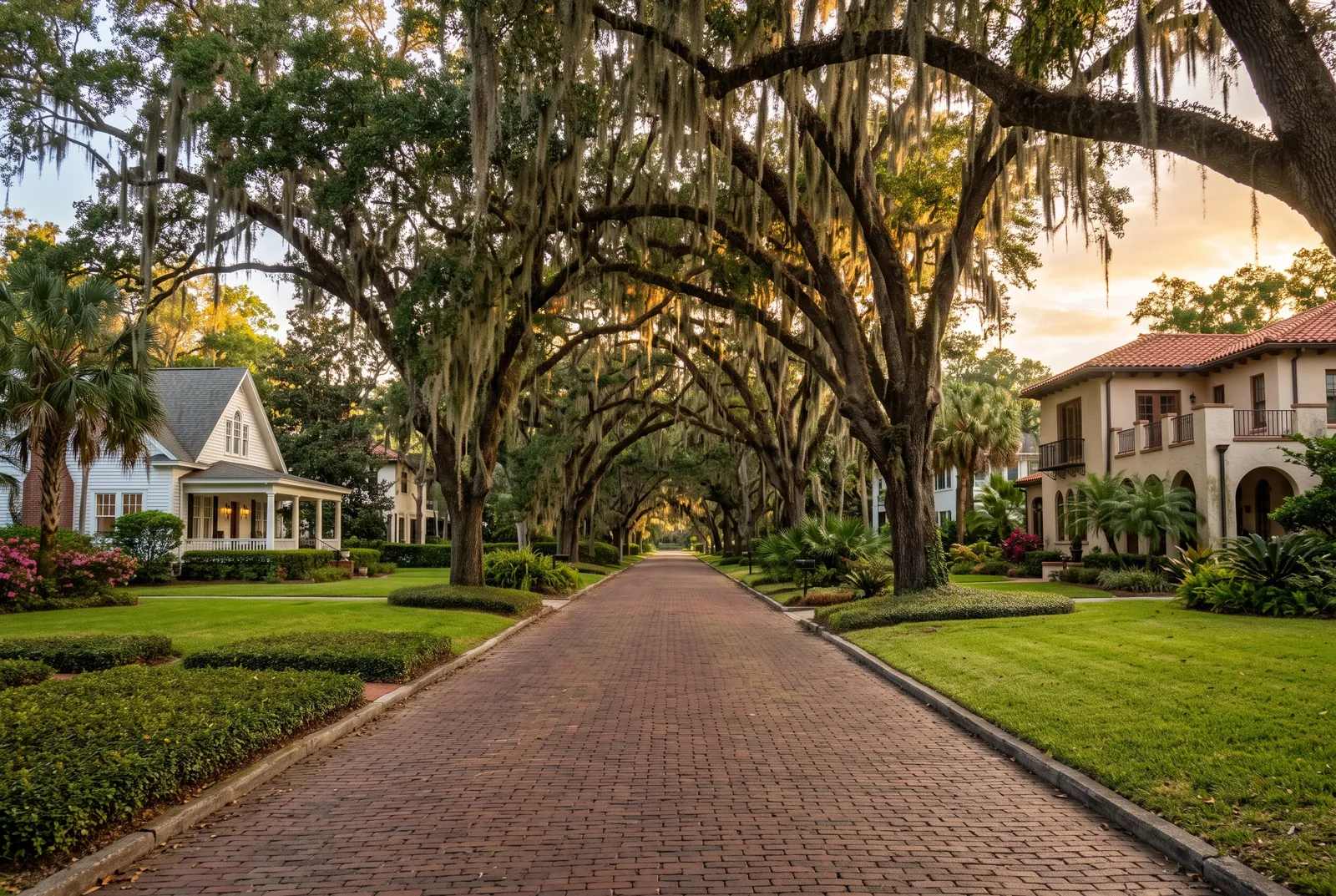
Many of Winter Park's oldest houses went up in the boom years of the 1920s, when the town was a winter escape for northerners and its architects borrowed freely from Spain, Italy and New England. A good number survive on the brick streets between Park Avenue and the lakes. They are not easy houses, and that is part of the appeal.
What you get
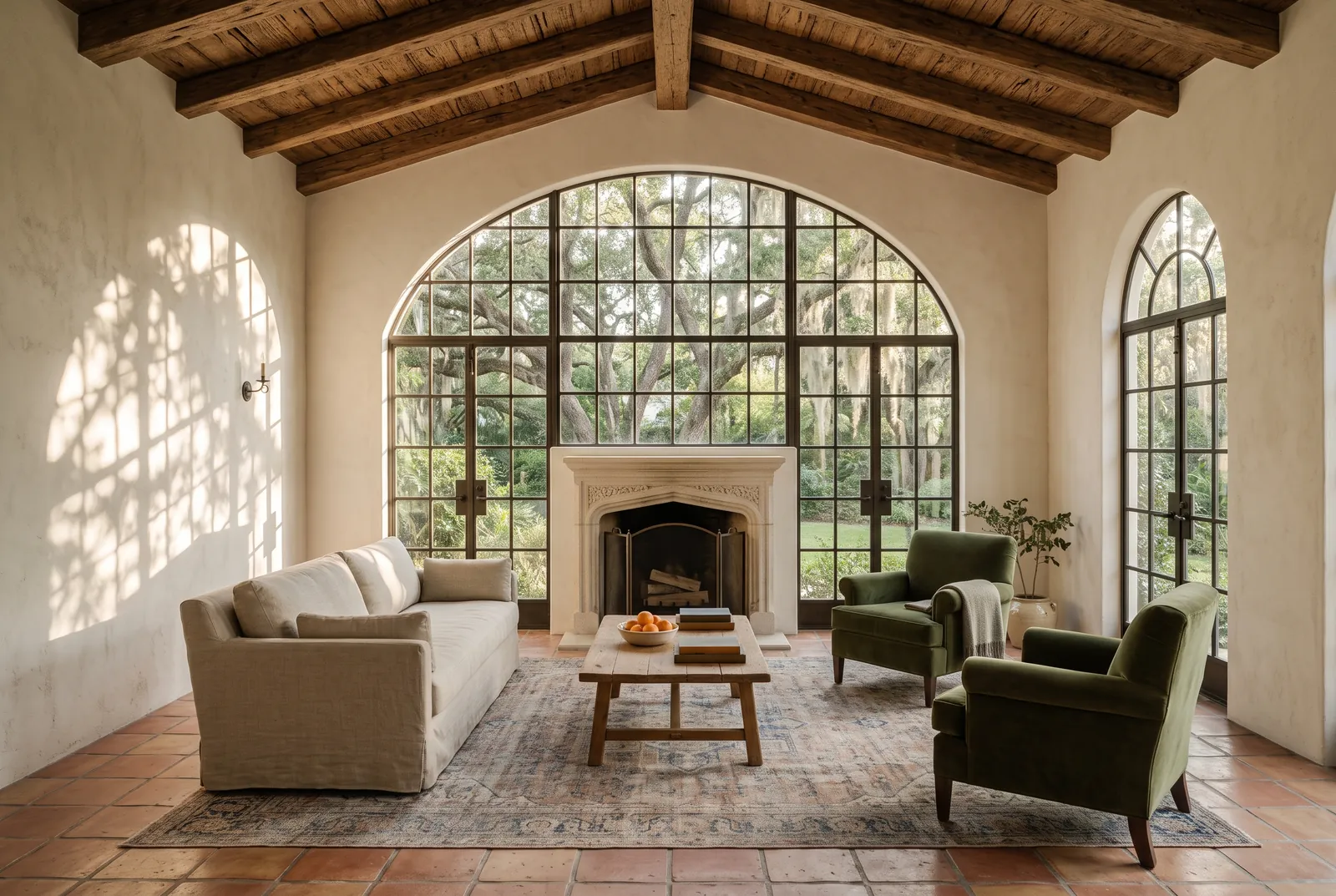
Thick walls that hold off the afternoon heat. Tall windows placed to catch a cross breeze, from the years before air conditioning. Ceilings with real beams, floors of heart pine or clay tile, and rooms with doors that close. Trees older than the house, which in this town is saying something.
What to ask
- Restored, or renovated? A restoration repairs the original plaster, windows and trim. A renovation often replaces them. Both can be good, but they are priced differently and they age differently.
- What is behind the walls? Ask the age of the roof, the wiring and the plumbing, and ask for a recent inspection. Your insurer will ask the same questions.
- Is it in a historic district? Changes to the outside may need review by the city. That protects the street you are buying on, and it takes time.
The evening test
Older houses sit close to the street and to each other, so the evening tells you a great deal: who walks by, where the lamplight falls, how the porch feels when the neighbors are out on theirs. Here is the Alder House, a few blocks off Park Avenue, at noon and at dusk. Drag the line.
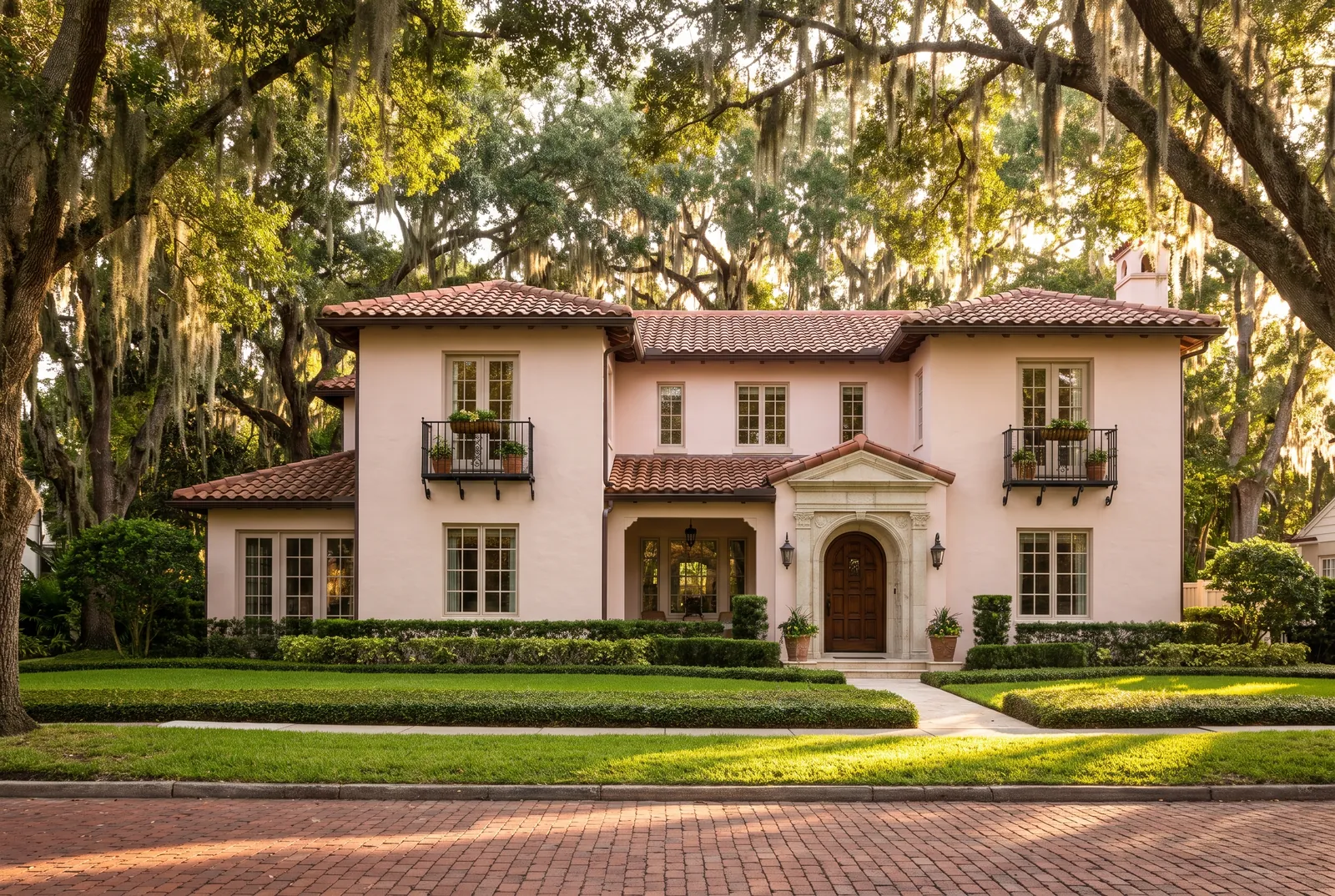
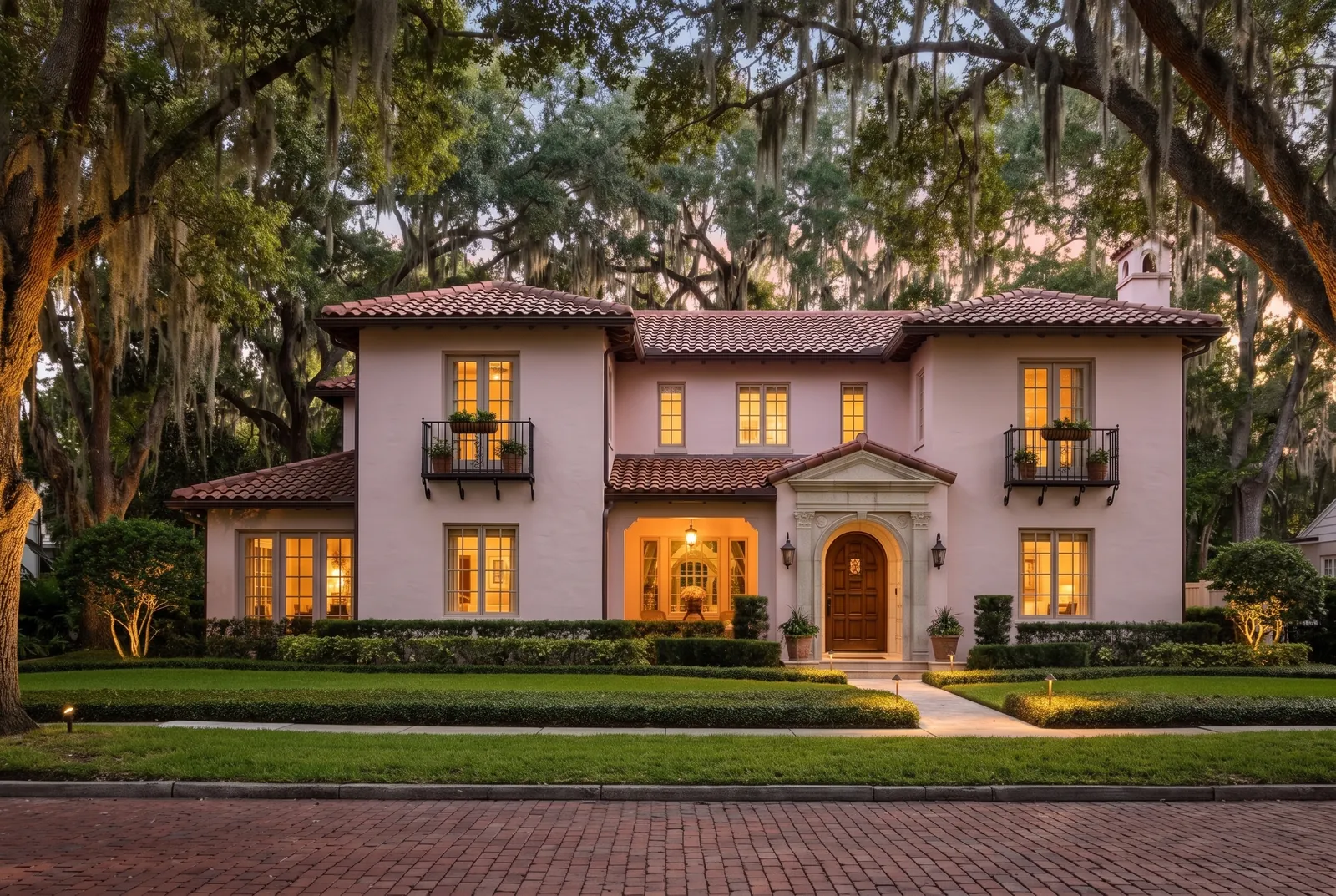
The Alder House, Winter Park. Drag the line, or use the arrow keys.
Why people stay
Owners of these houses tend to describe them the same way: they are slower. You walk to dinner. You open the windows in February. You learn who lived in the house in 1931, because somebody on the street always knows. If that sounds good to you, the work is worth it.